Exploring Psychological Resilience Factors in High-Stakes Multi-Event Selection Processes Across Athletic and Gaming Formats
Avery Klein · Oct 1, 2026
Exploring Psychological Resilience Factors in High-Stakes Multi-Event Selection Processes Across Athletic and Gaming Formats
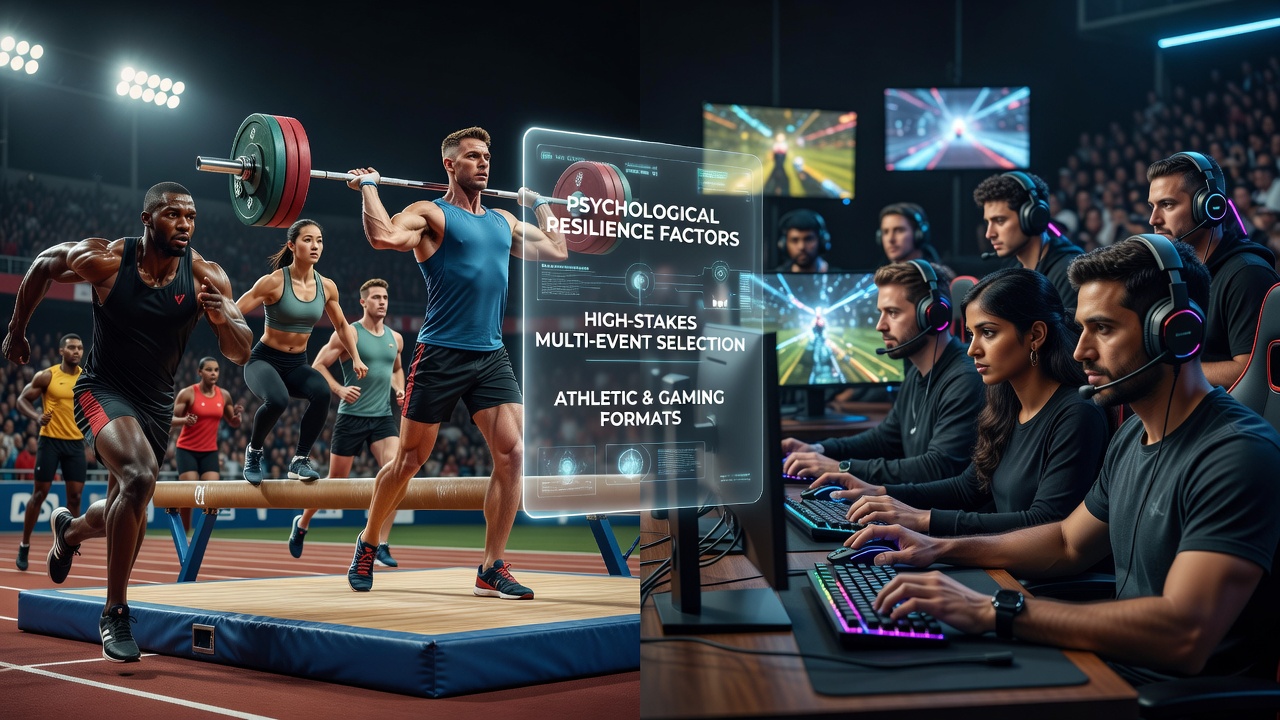
Psychological resilience emerges as a documented element in high-stakes multi-event selection processes that span athletic competitions and gaming formats, where participants face repeated performance demands under pressure, and research from various institutions tracks how individuals maintain consistency across stages. Data from longitudinal observations show that athletes in events like decathlons or triathlons encounter sequential challenges that test recovery between rounds, while gamers in multi-stage esports qualifiers or poker circuits manage similar sequences of decision-making and adaptation.
Studies conducted by teams at the University of Queensland indicate that cognitive flexibility ranks among the primary factors identified in both domains, allowing competitors to adjust strategies mid-sequence without performance drops. Figures from these investigations reveal that athletes who demonstrate rapid shifts in focus between endurance segments and skill-based tasks achieve higher selection rates, and parallel patterns appear in gaming environments where players alternate between risk assessment and tactical pivots across tournament brackets.
Key Factors Identified in Athletic Selection Contexts
Researchers at the Australian Institute of Sport have catalogued emotional regulation as a measurable contributor to outcomes in multi-event athletic trials, where participants sustain output despite cumulative fatigue, and data collected during national team selections from 2024 through 2026 highlight that those maintaining steady arousal levels post each event segment advance more frequently. Social support networks also surface in these records, with observations noting that athletes who maintain structured communication with coaches or peers during extended selection periods report sustained motivation across days or weeks of competition.
Physical recovery protocols intersect with these psychological elements, since studies link sleep consistency and nutrition adherence to resilience markers, yet the mental component involves deliberate reframing techniques that prevent negative spirals after suboptimal results in early rounds. One investigation tracked decathletes during Olympic qualifying cycles and found that individuals who employed structured breathing protocols between events maintained higher overall scores compared to those without such routines.
Resilience Patterns in Gaming Selection Environments
Parallel examinations in gaming formats, including multi-day esports leagues and virtual table game tournaments, point to pattern recognition combined with emotional detachment as recurring themes in successful selections. Data compiled from European esports federations show that players who sustain performance across preliminary matches, semifinals, and finals often exhibit lower physiological stress responses measured through heart rate variability, allowing continued accuracy in later stages. Observers note that gaming participants frequently apply visualization methods drawn from athletic training models to prepare for bracket resets or format changes.
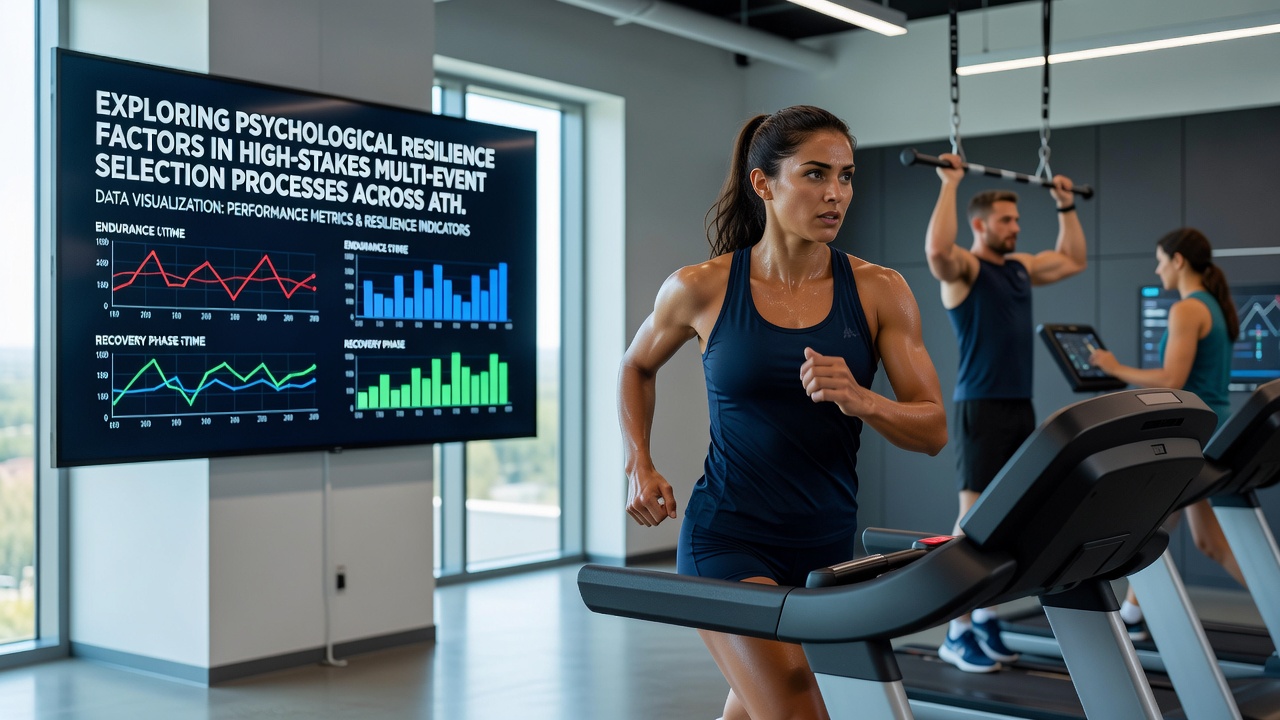
October 2026 brought additional datasets from North American gaming conferences that compared resilience metrics across console and PC-based multi-event qualifiers, revealing that participants with prior exposure to high-variance outcomes adapted faster to unexpected rule adjustments. These records emphasize self-efficacy beliefs as a predictor, where gamers who tracked personal performance logs over multiple events demonstrated improved persistence when facing elimination brackets.
Cross-Disciplinary Comparisons and Measurement Approaches
Comparative analyses between athletic and gaming domains highlight shared measurement tools such as the Connor-Davidson Resilience Scale adapted for performance contexts, and findings from collaborative projects between sports psychology departments and digital entertainment research groups indicate overlapping factor loadings for traits like optimism and tenacity. Athletes in thoroughbred racing circuits and gamers in prediction-based platforms both encounter variable environmental inputs that require real-time recalibration, yet selection success correlates with pre-event routine adherence in both cases.
Training programs documented in industry reports incorporate biofeedback devices to monitor and enhance these factors, while case examples from Canadian university studies illustrate how multi-week interventions targeting attentional control improved advancement rates in regional athletic trials and online gaming qualifiers alike. External pressures such as audience scrutiny or prize implications appear in both settings, with data suggesting that resilience training reduces performance variance across repeated exposures.
Conclusion
Evidence gathered across athletic and gaming selection processes continues to map psychological resilience as a composite of identifiable, trainable components that influence outcomes in sequential high-stakes environments, and ongoing data collection from multiple regions supports targeted development of these factors through integrated physical and mental protocols. Researchers maintain that continued cross-domain study will refine assessment methods and intervention designs applicable to both fields.